
Morven and the University of Virginia: 2001-Today
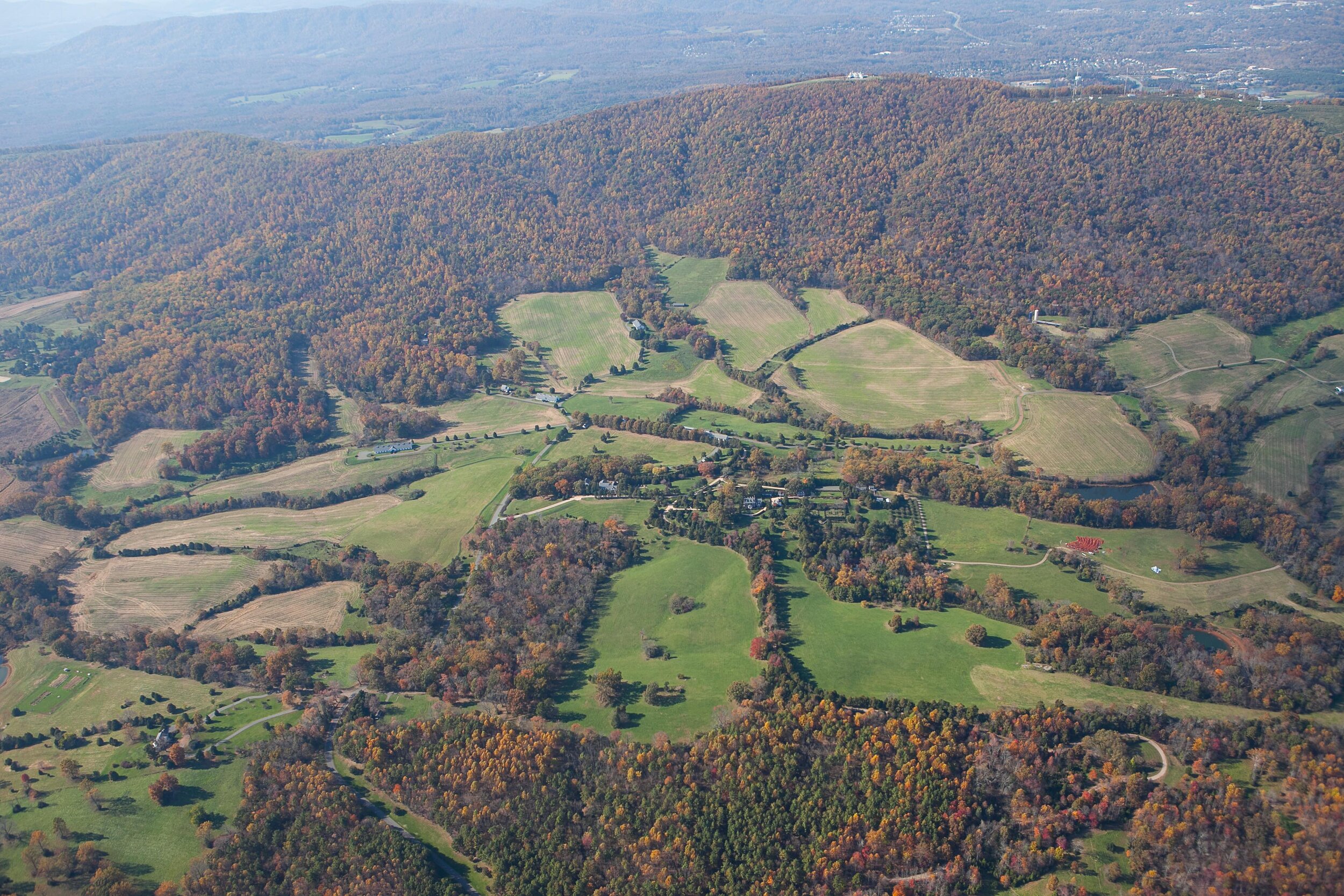
Entrepreneur, media proprietor, and philanthropist John W. Kluge purchased Morven in 1988 as a place of retreat, adding to the series of farms that he owned in Albemarle County. While maintaining the farm as a thoroughbred brood mare operation and continuing the timber harvesting, Kluge and his wife Tussi turned Morven into an outdoor art gallery, installing sculptures by many influential artists including Rodin, Maillol, Moore, and Abakanowicz. While most of the sculptures in Kluge’s outdoor gallery were sold when the property was gifted to UVA, a remaining example is the set of four bronze sculptures from the cycle "Sagacious Heads," by Magdalena Abakanowicz (1989), which rise from the ground to the right of the Meeting Barn.
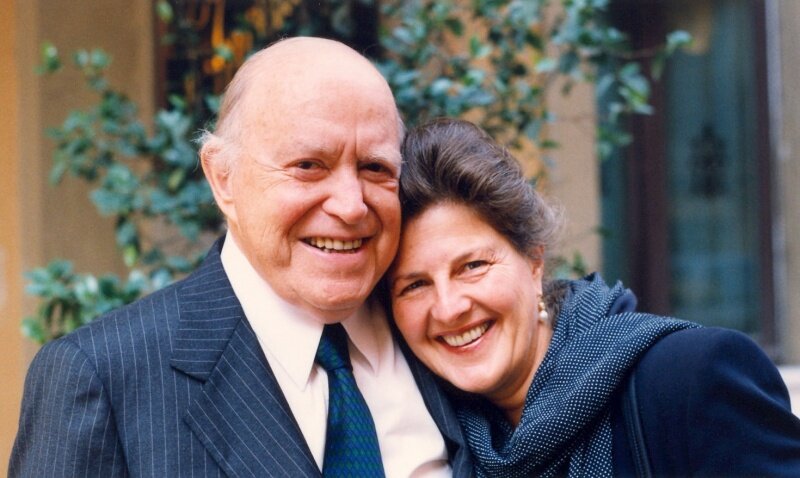
In the mid 1990s, the Kluges commissioned a four-acre contemplative garden and summer house by Japanese architect Koji Tsunoda, built by a crew of traditional Japanese garden craftsmen, and aided locally by Charlottesville landscape architect, Will Riley, and Charlottesville contractor Jamie Gibson. They used ancient techniques and incorporated more than 50 plants indigenous to Asia and North America. This contemplative garden was a place of retreat and renewal for the Kluges and their guests.
In 2001, Kluge donated 7,379 acres of Albemarle County property to the University of Virginia Foundation to be used for education and charitable purposes while maintaining the character of a traditional Albemarle estate. This donation doubled the size of the university’s land holdings. Following the donation to UVAF, a little over half of that gift was sold to establish endowments that would support both the maintenance and programming on the property, which allows the UVA Foundation and the Morven Sustainability Lab to maintain Morven’s buildings and grounds.
For the first decade of UVAF’s ownership of Morven the property functioned as a convening hub for international leaders and conversations about democracy. In 2008, UVA President John Casteen named Stewart H. Gamage Morven’s inaugural program director. Under Gamage’s leadership, the 2017 Women’s Global Leadership Forum, the Presidential Precinct, Stettinius Prize for Global Leadership, Morven Kitchen Garden, and First Lady’s Food Lab were all founded and given life. In 2022, UVA President Jim Ryan, in tandem with his “Great and Good Plan,” declared Morven’s new mission as UVA’s sustainability lab.
Professor Beth Meyer was appointed as the Morven Sustainability Lab’s inaugural Faculty Director, supported by Professor Manuel Lerdau, Morven’s Research Director, and Program Director Rebecca Deeds. Under new leadership, Morven transitioned to become a place-based sustainability lab where a community of faculty, students, staff, visiting scholars, and community members explore, discover, and create more enduring and just ways of multi-species living in the world.
UVA adopted the MSL Strategic Action Plan (2025-2035) in the fall of 2025 and the Morven Cultural Landscape Study began in early 2026. MSL is working to craft a cultural landscape study that will include micro-biographies of specific sites of memory and association, such as the colonial road and ancient road, Indian Camp Branch and Lee Jones Creek, the formal garden and the Japanese garden. These landscape biographies will inform the Sustainability Lab’s framework plan, a spatial zoning of future research areas, test plots, land labs, experimental forests, sites of memory, meditative pleasure walks and productive gardens.