

UVA’S EXPERIENTIAL &
EXPERIMENTAL GROUNDS
“What about a sustainability ethic that acknowledges the contributions of the past to Morven’s beauty and value, questions the needs of the present, and ensures the ability of future multi-species communities to flourish?”
Elizabeth K. Meyer, UVA,
Merrill D. Peterson Professor of Landscape Architecture
Inaugural Faculty Director, Morven Sustainability Lab
VISION & MISSION
UVA’s Experiential and Experimental Grounds.
Morven, UVA’s Experiential and Experimental Grounds, fosters collaborative learning and exploration grounded in socio-ecological values and leading to innovative policies and practices that tackle urgent climate challenges..
MISSION. A place-based sustainability lab.
Through innovative pan-university exploration and novel community co-creation, Morven’s Experimental and Experiential Grounds transform how we perceive, imagine, discover, and test alternative sustainable futures where humans, other species, and the planet can flourish. Through both individual and collective experiential learning and exploring, Morven’s landscape laboratory incubates the next generation of citizen leaders prepared to address our changing climate.
Morven is a place-based, land-centered sustainability lab where faculty, students, staff, visiting scholars and community members explore, discover and co-create more enduring and just ways of multi-species living in the world. Morven’s diverse rural lands—shaped by thousands of years of environmental and human history are simultaneously a living landscape classroom, laboratory, and sanctuary. Here, in the classroom and in the field, we integrate traditional land practices and model new practices necessary to address the global environmental crisis, especially as it is changing the Virginia Piedmont, our regional home.
Research at Morven is a core expression of the Sustainability Lab vision. Guided by the principles of place-based sustainability and cultural landscape stewardship, research at Morven fosters innovative, transdisciplinary inquiry that addresses urgent climate and ecological challenges. Morven affords UVA’s broad intellectual expertise—from the environmental humanities to the environmental sciences, from architecture and engineering to law, from art to economics— and our community’s deep local knowledge—a shared space for consequential research and transformational experiential learning commensurate with the magnitude of contemporary socio-ecological challenges, such as a changing climate, food insecurity and sovereignty as well as the loss of biodiversity, in and around the peri-urban rural landscapes of our cities and towns.

Elizabeth K. Meyer
Faculty Director, Morven Sustainability Lab
Merrill D. Peterson Professor of Landscape Architecture
UVA School of Architecture
We acknowledge the wise counsel and creative contributions received from university colleagues during key stages in our strategic planning process. We are grateful for the inspiring ideas for enhancing the student experience and for the valuable land management advice offered by regional environmental and conservation organizations.
What’s New At Morven
-
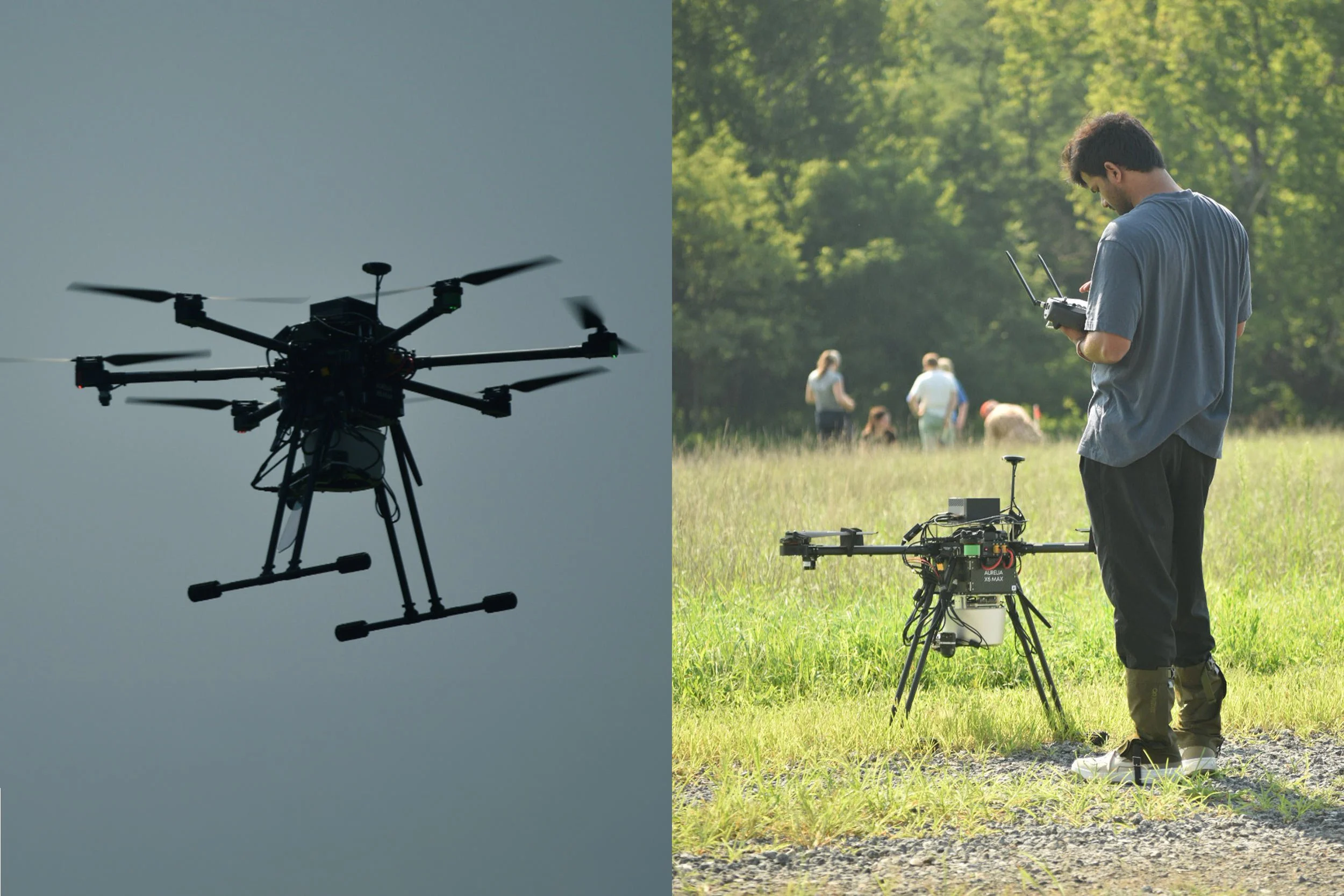
Drones take farming to new heights
This month, researchers and students from the University of Virginia, NASA and the University of Buffalo tested drone technology by flying more than 100 feet above crops to measure plant health at UVA’s 2,900-acre research facility.
-
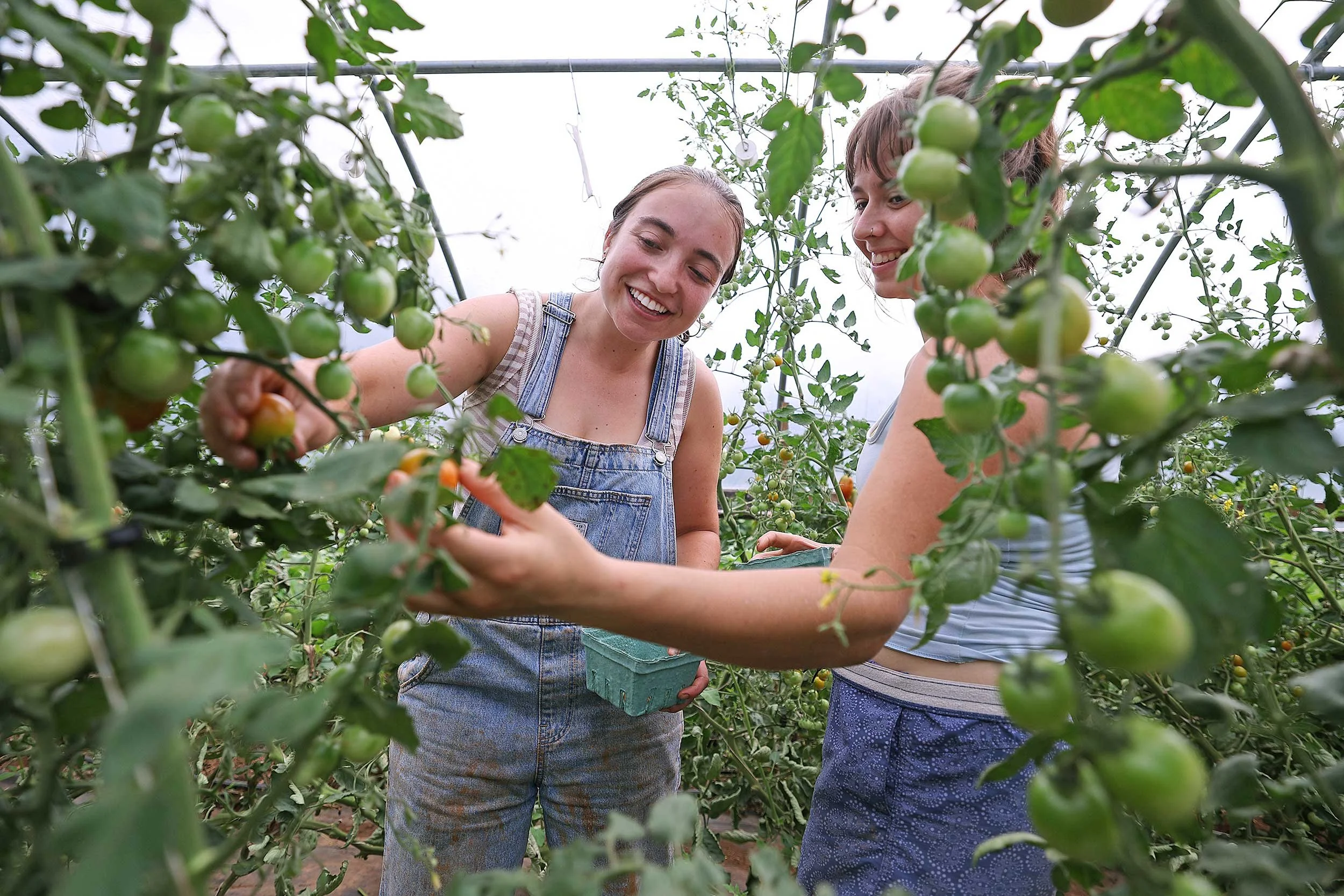
At Morven, both crops and students grow in the summer
UVA students lead, learn, and connect with our local food system through Morven’s summer internship program.
-
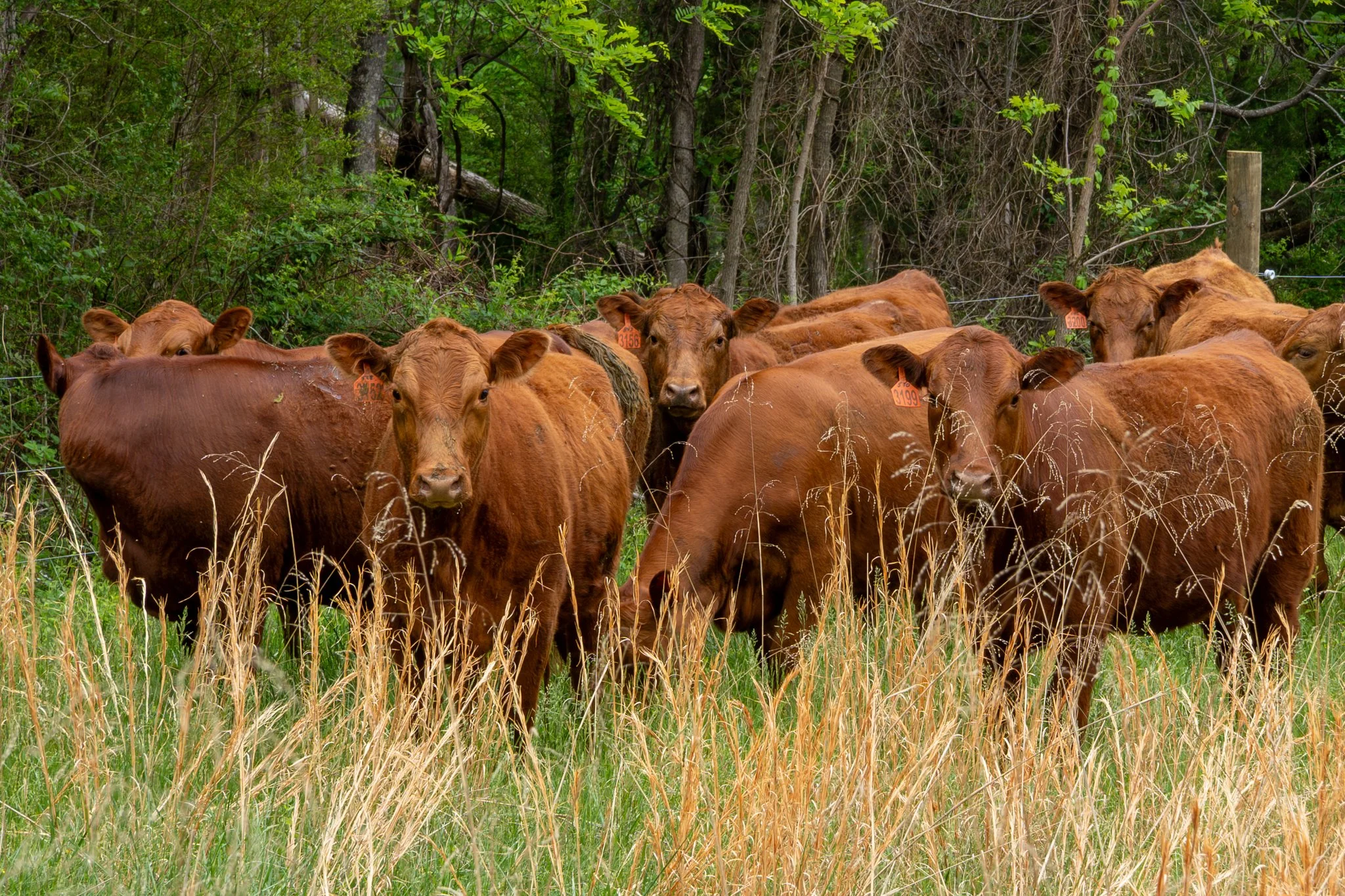
UVA Today: Morven Sustainability Lab Welcomes Cows
UVA’s Morven Sustainability Lab welcomed 20 new residents this week: a herd of red Angus cows. It had been nearly 20 years since livestock roamed the property’s fields, but that all changed this April when two cattle trailers arrived.
